01
Throat Pain (Pharyngitis and Tonsillitis)
Throat pain is one of the most universal ENT complaints - almost everyone experiences it, particularly during seasonal changes or after exposure to someone with a respiratory infection. However, not all throat pain is the same, and the cause determines the correct treatment.
Acute pharyngitis (inflammation of the back of the throat) is most often viral and resolves on its own with rest, warm fluids, and saltwater gargling. Bacterial pharyngitis - particularly caused by Group A Streptococcus (Strep throat) - requires antibiotic treatment to prevent serious complications such as rheumatic fever (which can permanently damage heart valves) and post-streptococcal kidney disease (glomerulonephritis).
Tonsillitis - infection and inflammation of the palatine tonsils - presents with severe throat pain, difficulty swallowing, fever, swollen tonsils with white or yellow exudates, and tender lymph nodes in the neck. When tonsillitis occurs recurrently (5-7 or more times per year), causes a peritonsillar abscess (pus collection around the tonsil), or leads to obstructive sleep problems, surgical removal - tonsillectomy - is the long-term solution. Dr. Patel evaluates each patient's history individually to determine whether medical management or surgery is the right recommendation.
02
Difficulty Swallowing (Dysphagia)
Swallowing is a complex, coordinated act involving over 30 muscles. When something disrupts this coordination - whether a structural problem, nerve issue, or inflammation - swallowing becomes painful or inefficient, and food or liquids can enter the airway (aspiration).
Causes of dysphagia range from straightforward and benign (tonsillitis, pharyngitis, GERD-related oesophagitis, globus sensation) to serious and requiring urgent investigation (oesophageal stricture, laryngeal or pharyngeal cancer, neuromuscular disorders, pharyngeal pouch, or thyroid enlargement compressing the oesophagus).
Red flag symptoms requiring urgent ENT evaluation:
- Progressive difficulty swallowing - solids first, then liquids over weeks to months
- Unexplained significant weight loss alongside swallowing difficulty
- Regurgitation of undigested food
- Voice change or hoarseness alongside swallowing problems
- A new neck lump appearing with swallowing difficulty
Dr. Khushali Patel evaluates dysphagia with flexible laryngoscopy, barium swallow study, or CT neck and chest as appropriate, and coordinates care with gastroenterologists or neurologists when needed.
03
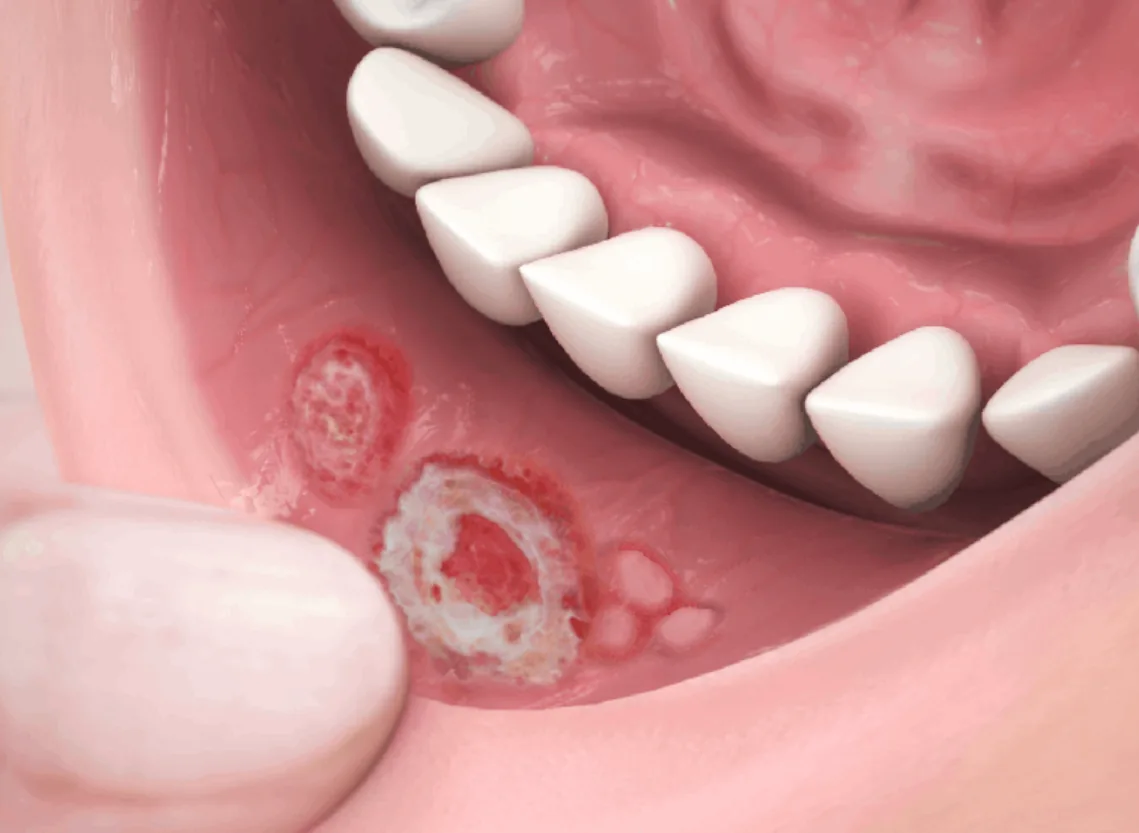
Recurrent Oral Ulcers (Aphthous Stomatitis and Beyond)
Occasional mouth ulcers are common and usually harmless - caused by stress, minor trauma, or vitamin deficiencies (B12, iron, folate). These heal within 10-14 days without treatment and rarely require specialist evaluation.
However, ulcers that are large (greater than 1 cm), multiple, unusually painful, persist beyond 3 weeks, are associated with difficulty eating or swallowing, or occur alongside a neck lump are a concern requiring urgent ENT or oral specialist review.
At Niraaya Hospital, Gandhinagar, persistent oral ulcers are evaluated to rule out nutritional deficiencies, autoimmune conditions, and most importantly, oral cancer - particularly in patients who smoke, chew tobacco or pan masala, or consume alcohol. Tissue biopsy is arranged whenever there is clinical suspicion of malignancy.
04
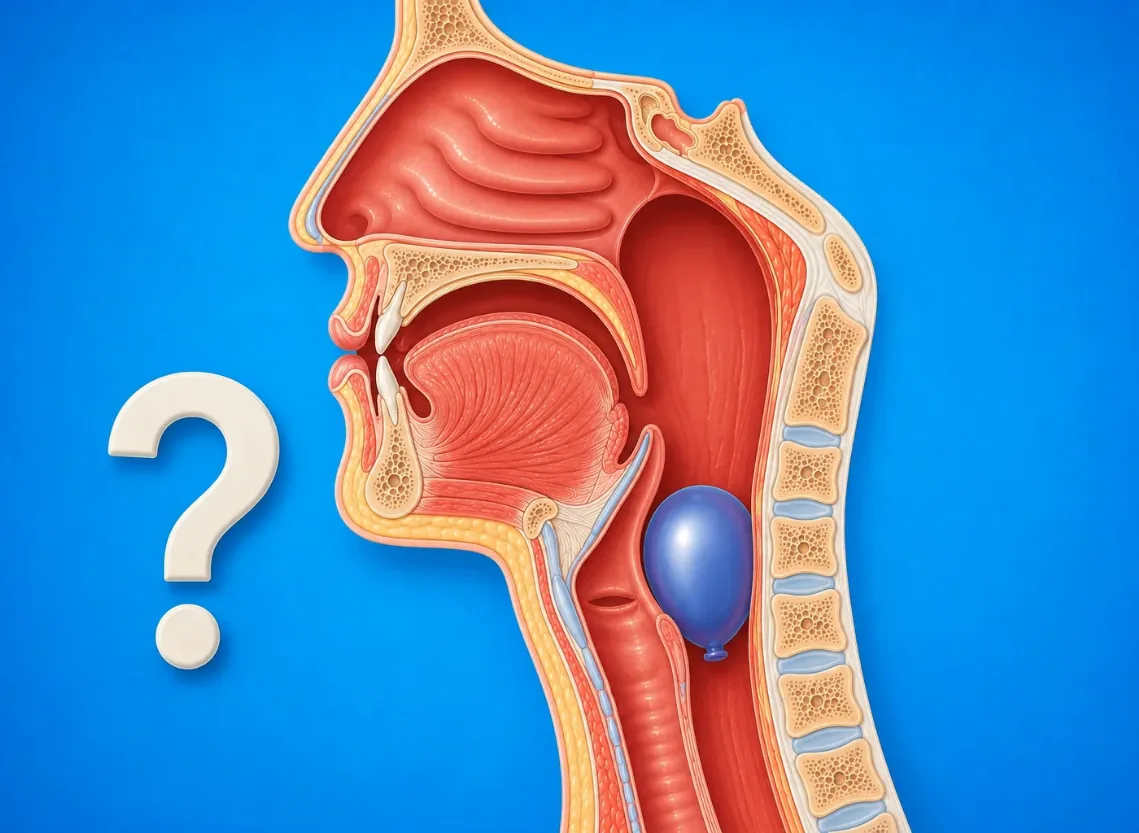
Foreign Body Sensation in Throat (Globus Pharyngeus)
A very common and often distressing symptom - a persistent feeling of something stuck in the throat, a lump, or a tightness at the level of the Adam's apple - even when there is no actual obstruction visible on examination. This is known as globus pharyngeus.
Causes include laryngopharyngeal reflux (LPR - stomach acid and digestive enzymes reaching the throat), post-nasal drip coating the back of the throat, psychological stress, throat muscle tension, or in some cases a small pharyngeal pouch (Zenker's diverticulum) or thyroid nodule causing mild compression.
Importantly, a persistent one-sided globus sensation may be an early symptom of a hypopharyngeal or laryngeal tumour - which is why an ENT evaluation with flexible laryngoscopy is essential for any globus sensation lasting more than 4 weeks, especially in patients over 40 who smoke or use tobacco.
05
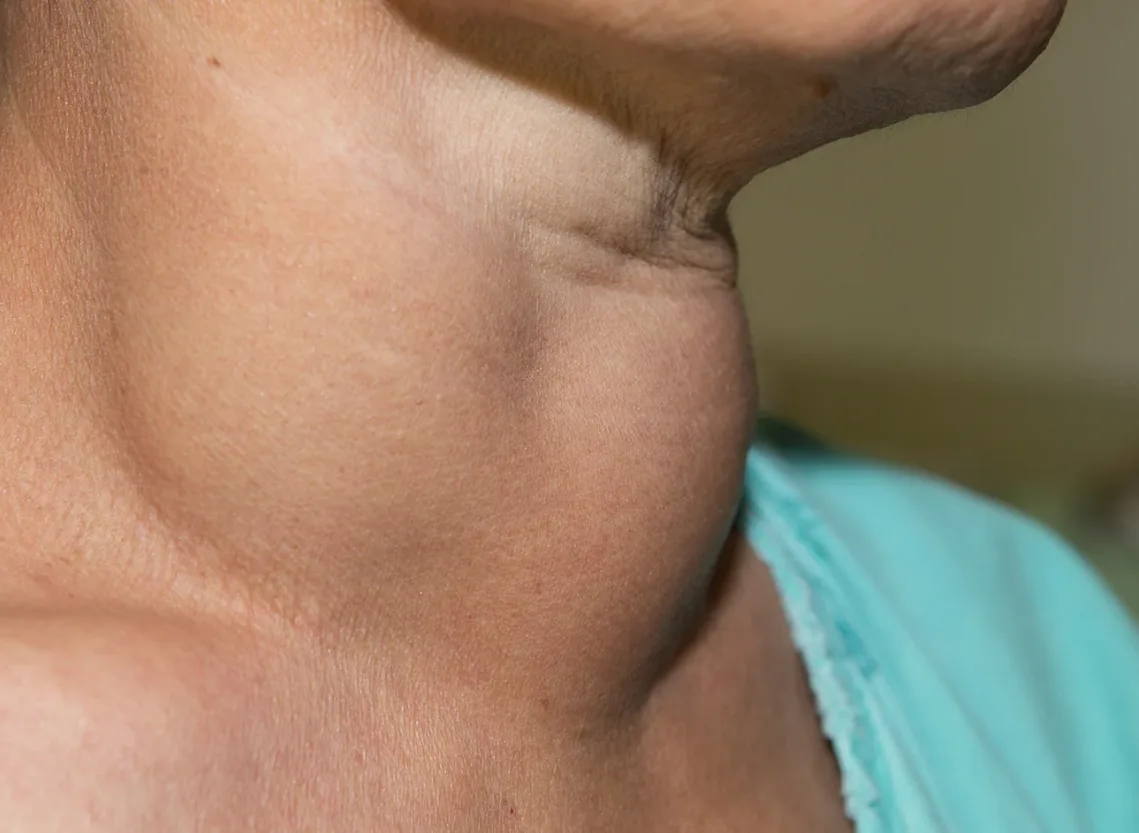
Neck Swellings and Lumps
A new or growing lump in the neck requires prompt ENT evaluation. Neck swellings arise from a wide variety of causes - the majority are benign, but malignancy must always be ruled out in adults.
Common causes include:
- Reactive lymphadenopathy - swollen lymph nodes from viral or bacterial throat or ear infection; usually tender and resolve with treatment of the primary infection
- Thyroid nodules or goitre - enlargement of the thyroid gland or individual thyroid lumps, palpable in the front of the lower neck
- Salivary gland disorders - enlarged parotid or submandibular glands from infection, stones (sialolithiasis), or tumours
- Congenital cysts - branchial cleft cysts, thyroglossal duct cysts (more common in younger patients; a midline neck lump that moves on swallowing)
- Lymphoma - painless, firm, rapidly enlarging lymph nodes, particularly in young adults
- Metastatic neck nodes - lymph node involvement from a primary cancer in the head-neck region
At Niraaya Hospital, Gandhinagar, neck lumps are evaluated with clinical examination, ultrasound neck, FNAC (Fine-Needle Aspiration Cytology), and when needed, contrast-enhanced CT or MRI of the neck. This structured approach ensures accurate diagnosis and guides the appropriate management plan.
06
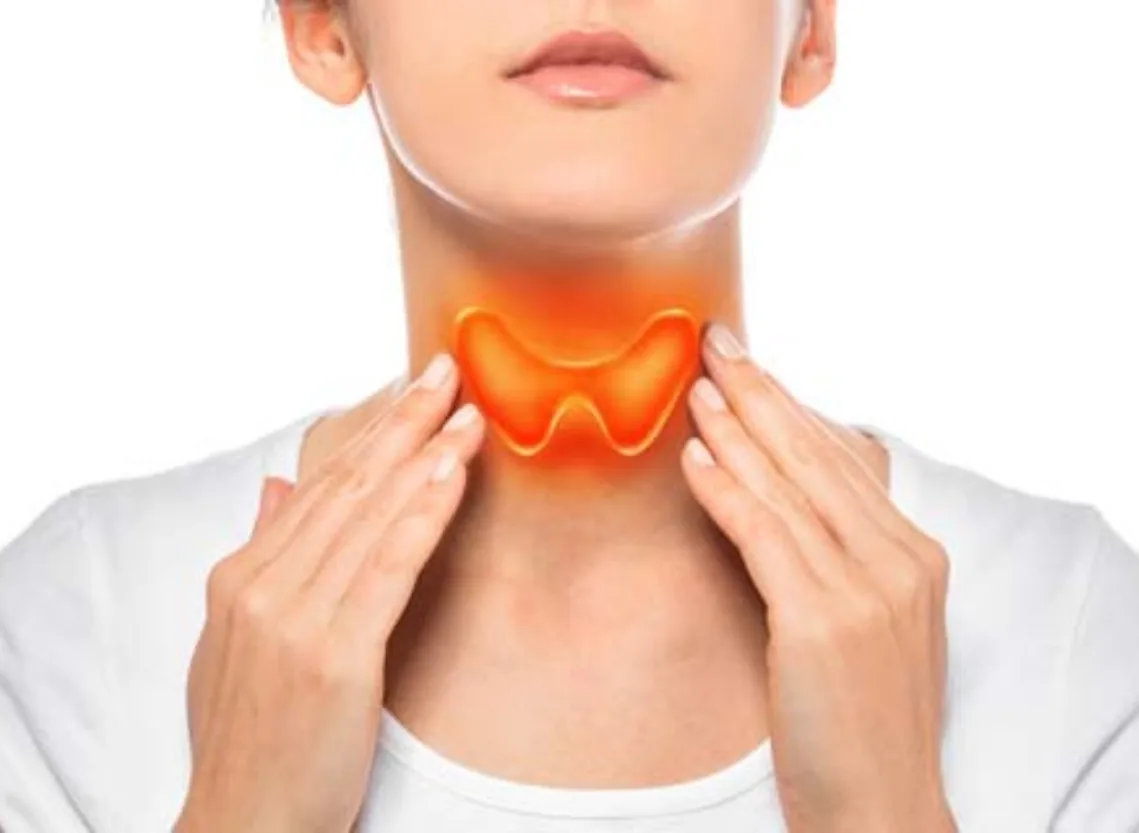
Thyroid Disorders
The thyroid gland - a butterfly-shaped gland at the front of the lower neck - produces hormones regulating the body's metabolism. Thyroid disorders within the ENT surgeon's scope include:
Goitre: Generalised thyroid enlargement, which may cause visible neck swelling, tightness or pressure, or difficulty swallowing when large.
Thyroid Nodules: Discrete lumps within the thyroid gland. Most are benign, but some require ultrasound and FNAC to rule out cancer. Management depends on nodule size, character, and cytology.
Thyroid Cancer: Papillary thyroid cancer is the most common thyroid malignancy and has an excellent prognosis with timely surgery. Total thyroidectomy is the surgical treatment, followed by radioiodine therapy and TSH suppression.
Dr. Khushali Patel collaborates closely with endocrinologists for thyroid function management while providing expert surgical care - thyroidectomy - with meticulous attention to preserving the parathyroid glands and the recurrent laryngeal nerve (which controls voice).