
01
Cancer Biopsy - Tissue Diagnosis
What is a head and neck cancer biopsy?
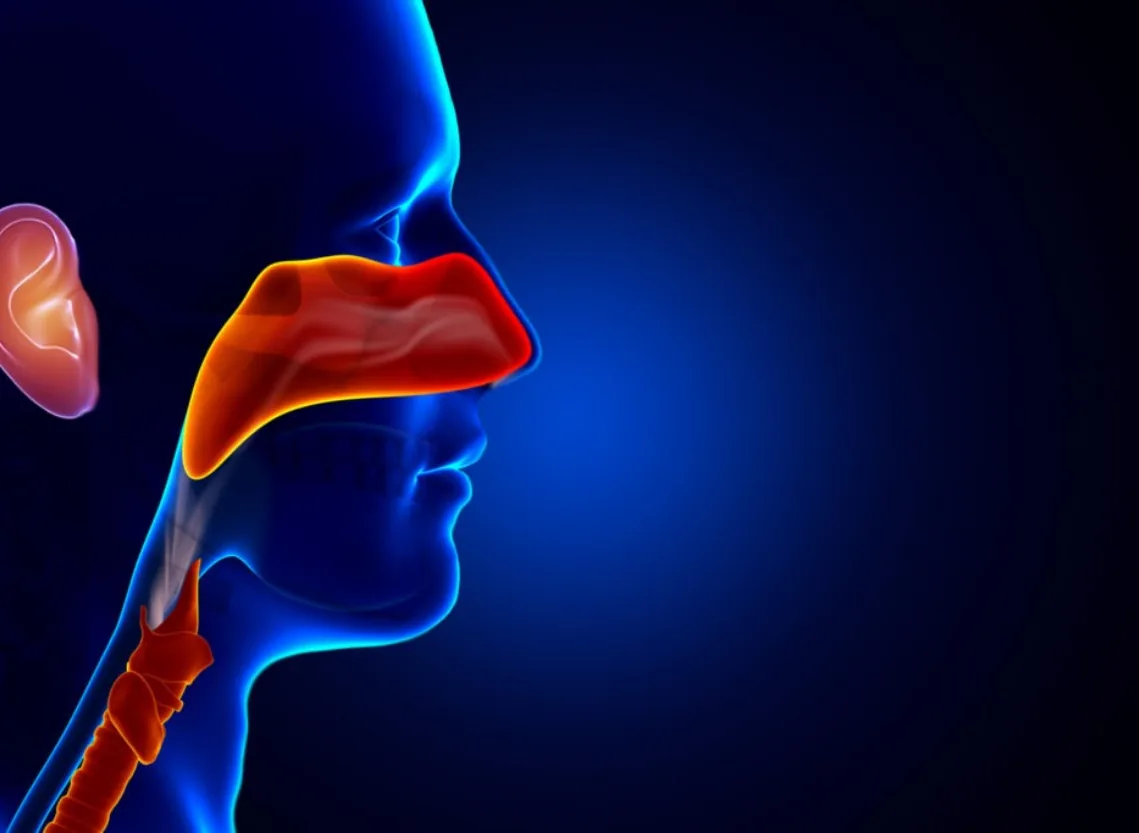
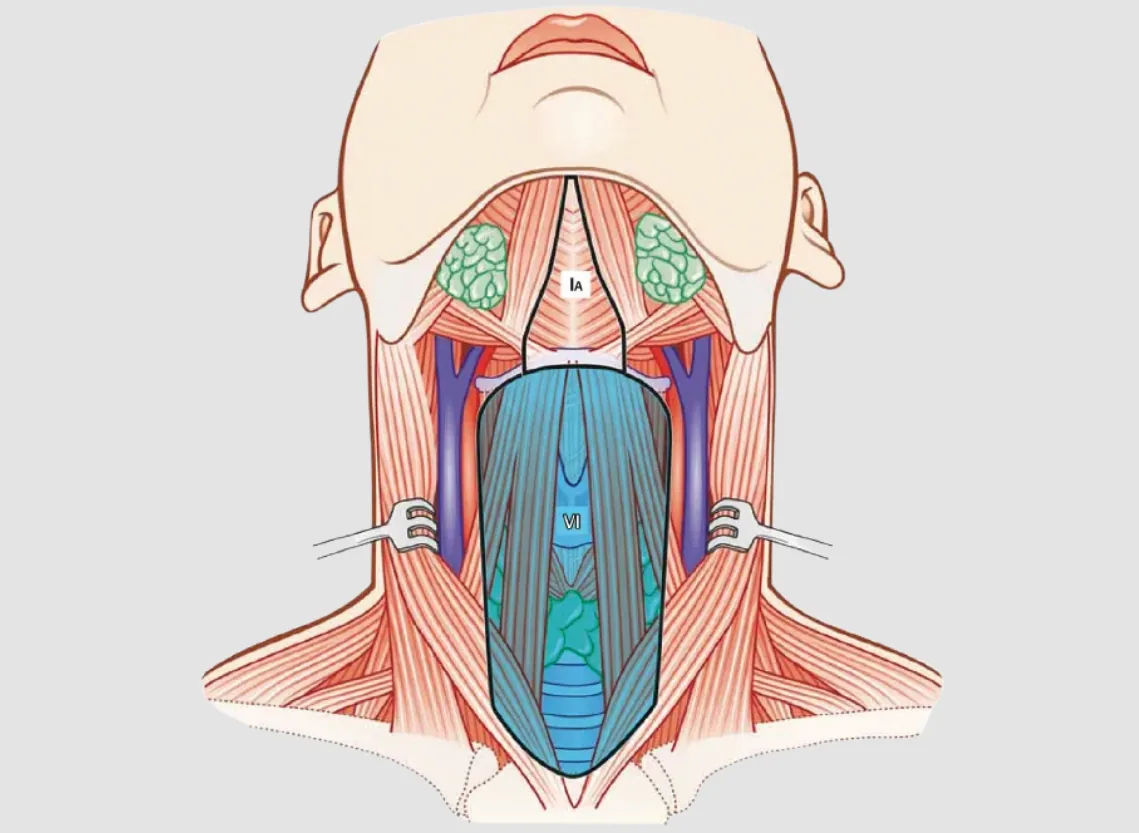
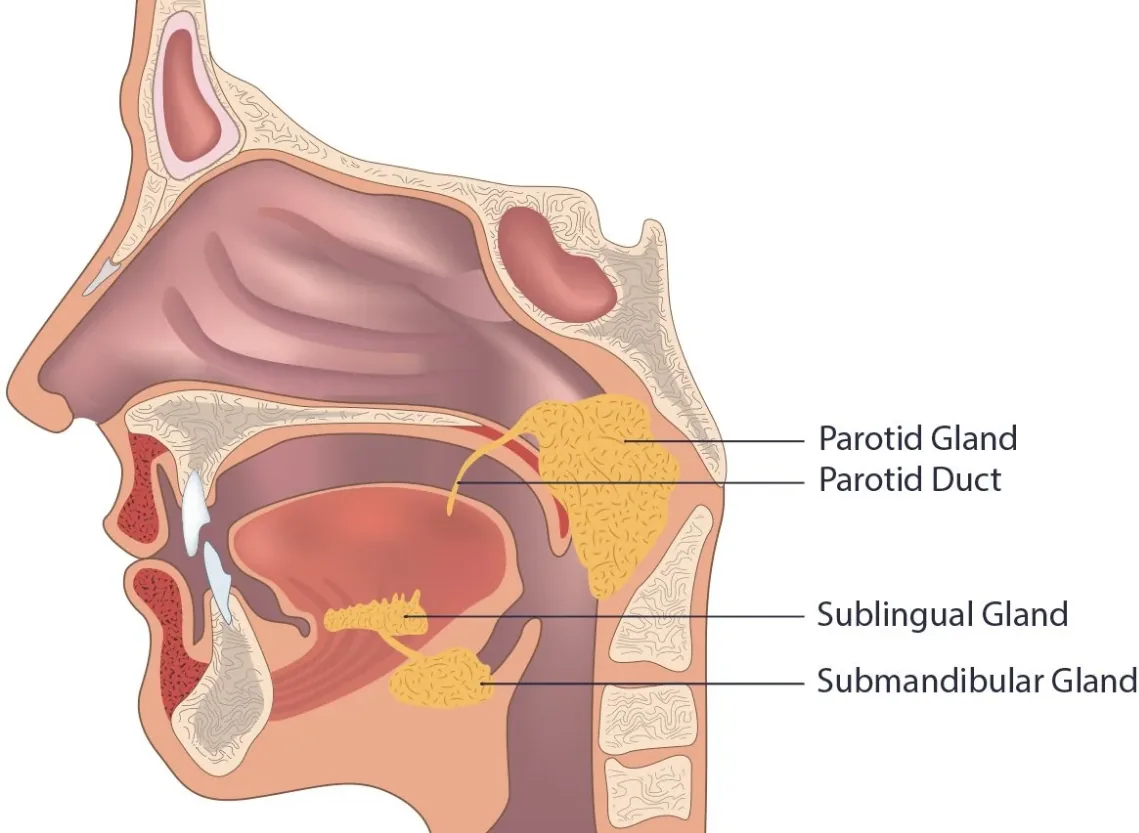
A biopsy is the definitive method of diagnosing cancer - it involves obtaining a sample of tissue from a suspicious lesion and examining it under a microscope to confirm whether cancer cells are present and, if so, what type. In the head and neck region, biopsies are obtained from oral cavity lesions, oropharyngeal masses, the nasopharynx, larynx, hypopharynx, salivary glands, thyroid, or cervical lymph nodes, depending on clinical suspicion.
Types of biopsy performed at Niraaya Hospital
Incisional Biopsy
A small portion of a suspicious lesion is removed for histopathological analysis. Used for accessible lesions in the oral cavity, visible posterior throat masses, and nasopharyngeal tumours. Performed under local or general anaesthesia depending on the location and patient tolerance. The small biopsy wound does not alter the subsequent definitive surgical plan.
Excisional Biopsy
The entire lesion is removed along with a margin of normal tissue surrounding it. Appropriate for small, well-defined oral cavity lesions or suspicious skin lesions of the head and neck where complete excision for diagnosis and treatment simultaneously is feasible.
FNAC (Fine-Needle Aspiration Cytology) of Neck Nodes
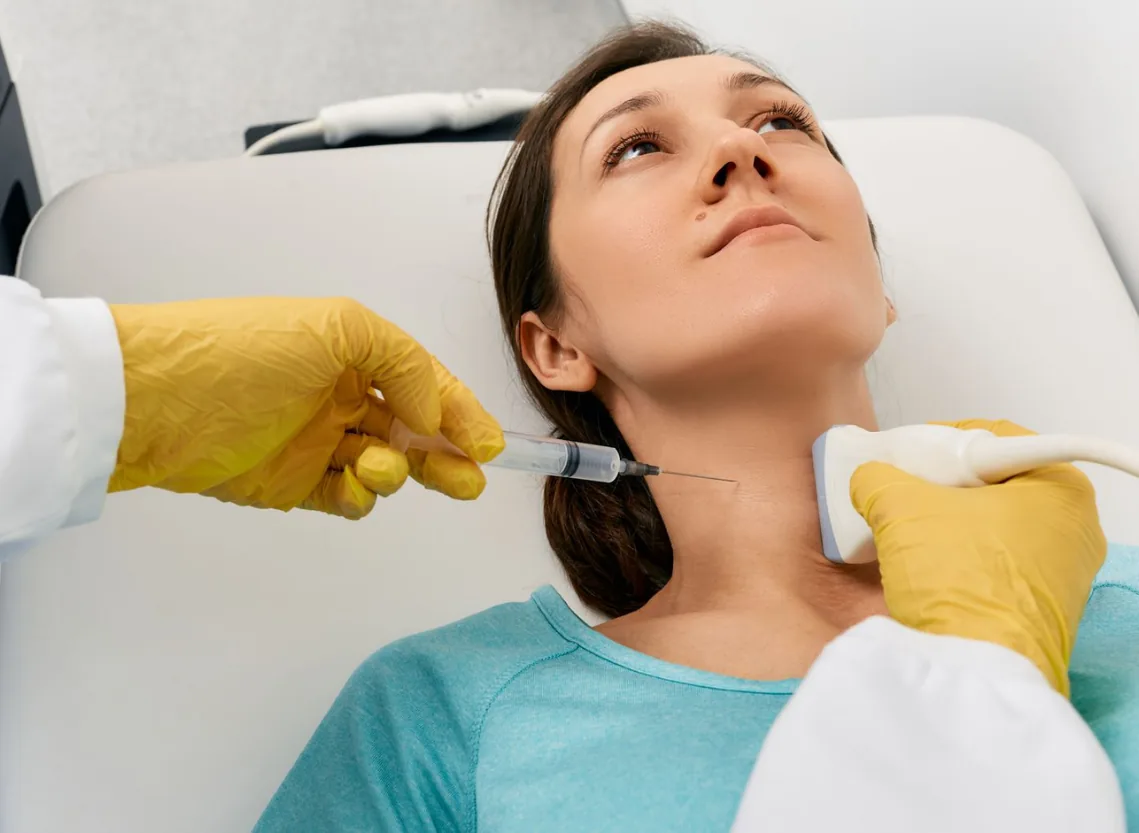
A thin, hollow needle is precisely inserted into a neck lymph node to aspirate cells for cytological (microscopic) analysis. FNAC is a minimally invasive, clinic-based procedure performed under local anaesthesia - typically taking less than 10 minutes and causing no more discomfort than a blood test. Ultrasound guidance improves accuracy for deeper or smaller nodes. FNAC provides an accurate cytological diagnosis in 85-90% of cases, guiding the next steps in management without surgical intervention. Open surgical biopsy of neck nodes is generally avoided as a primary diagnostic procedure for suspected malignancy, as it can complicate subsequent surgical planning.
Panendoscopy (Triple Endoscopy) Under General Anaesthesia
When the primary cancer site cannot be identified in the clinic, or when staging requires a systematic examination of the entire upper aerodigestive tract, a panendoscopy is performed under general anaesthesia. This involves a sequential endoscopic examination of: the oral cavity, oropharynx, nasopharynx (via nasopharyngoscopy), hypopharynx, larynx (via direct laryngoscopy), oesophagus (via oesophagoscopy), and tracheo-bronchial tree (via bronchoscopy). Biopsies are taken from any suspicious areas identified. Panendoscopy is also essential for detecting a synchronous second primary cancer - a separate cancer occurring simultaneously elsewhere in the upper aerodigestive tract, which is not uncommon in tobacco and alcohol users.