




01
Nasal Blockage and Congestion
Chronic nasal obstruction - the persistent inability to breathe freely through the nose - is one of the most common complaints Dr. Patel sees from patients across Gandhinagar and Ahmedabad. Many patients have adapted to it for years, breathing through their mouth without realising this leads to dry throat, poor sleep quality, snoring, and even dental changes in children.
Deviated Nasal Septum (DNS): The septum - the thin wall of bone and cartilage dividing the nose - is rarely perfectly straight. When it deviates significantly to one side, it narrows the nasal airway and blocks breathing. DNS can be congenital or result from a nose injury. Symptoms worsen at night when lying on the narrower side. Surgical correction - septoplasty - is highly effective when symptoms don't respond to medication.
Inferior Turbinate Hypertrophy: The turbinates are shelf-like structures inside the nose that regulate airflow and humidify inhaled air. When chronically inflamed - from allergies, infections, or chronic rhinitis - they swell and obstruct the nasal passage. Treatment includes nasal steroids, and in resistant cases, turbinate reduction surgery (performed endoscopically, often alongside septoplasty).
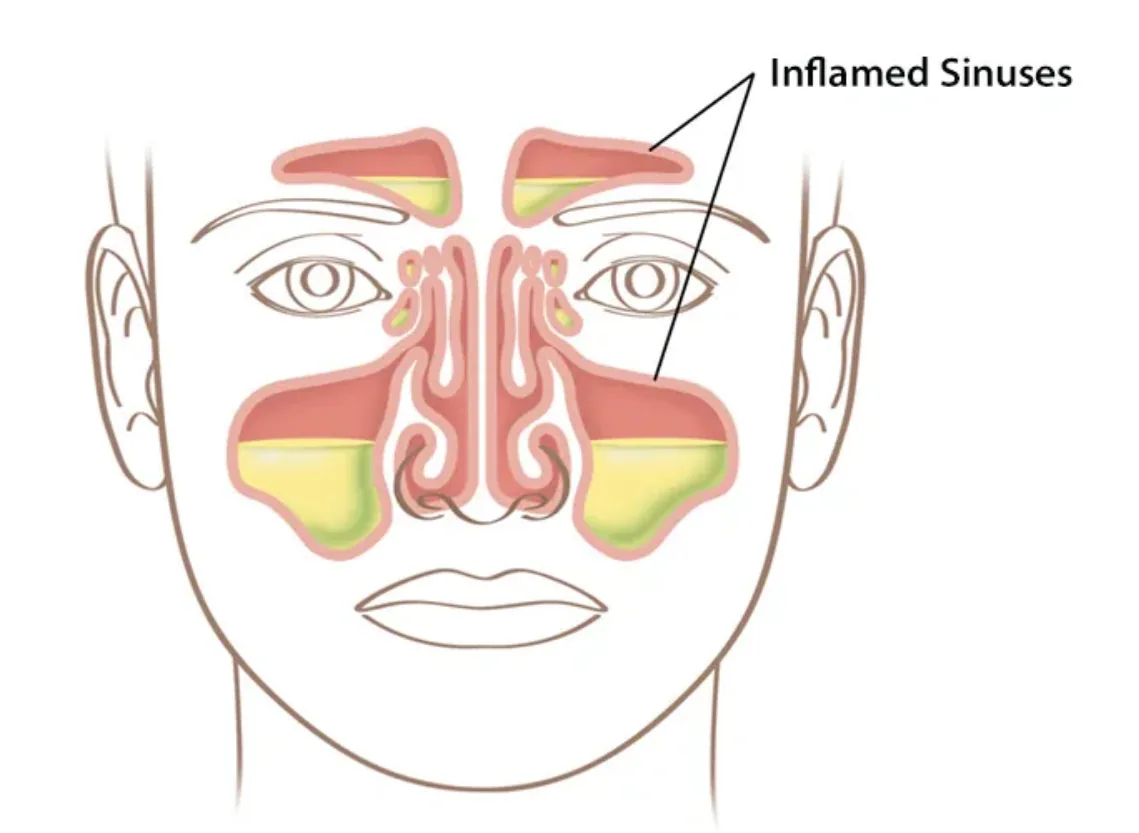
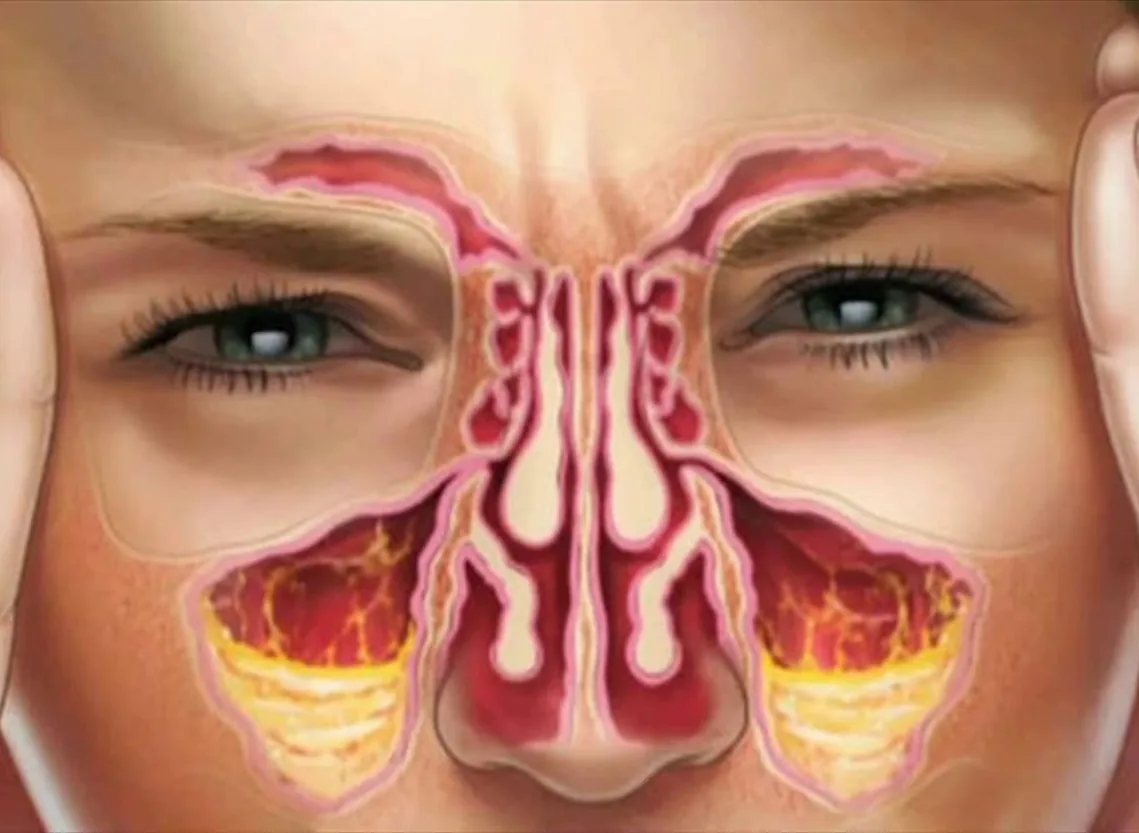
Nasal Polyps: Soft, non-cancerous growths arising from the sinus lining, associated with allergies, asthma, aspirin sensitivity, or chronic sinusitis. They cause progressive nasal obstruction, reduced smell, and nasal discharge. Managed with nasal steroid sprays, short courses of oral steroids, and in refractory cases, Functional Endoscopic Sinus Surgery (FESS).
Adenoid Hypertrophy: In children, enlarged adenoids are a very common cause of nasal obstruction, mouth breathing, snoring, and recurrent ear infections. Adenoidectomy (surgical removal) provides immediate, lasting relief.