
01
Tonsillectomy - Surgical Removal of the Tonsils
What is tonsillectomy?
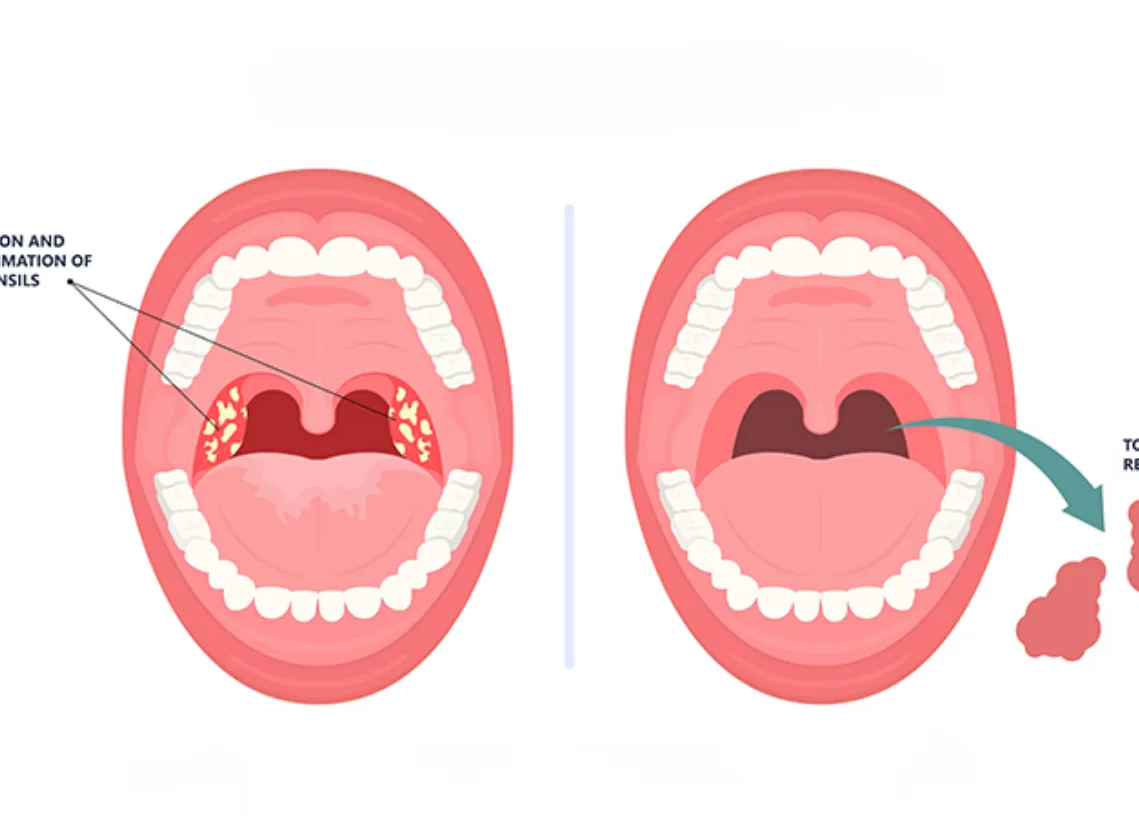
Tonsillectomy is the surgical removal of the palatine tonsils - two oval-shaped lymphoid tissue pads at the back of the throat, on either side of the uvula. As part of the immune system, they help fight infection in early childhood but become less important immunologically in later life. When they become a repeated source of infection or cause obstruction, removing them provides lasting relief.
When is tonsillectomy recommended?
For recurrent infections:
- 7 or more episodes of documented tonsillitis in one year
- 5 or more episodes per year over two consecutive years
- 3 or more episodes per year over three consecutive years (Paradise criteria - the international standard)
- Tonsillitis causing missed school or work days affecting quality of life
For complications and obstruction:
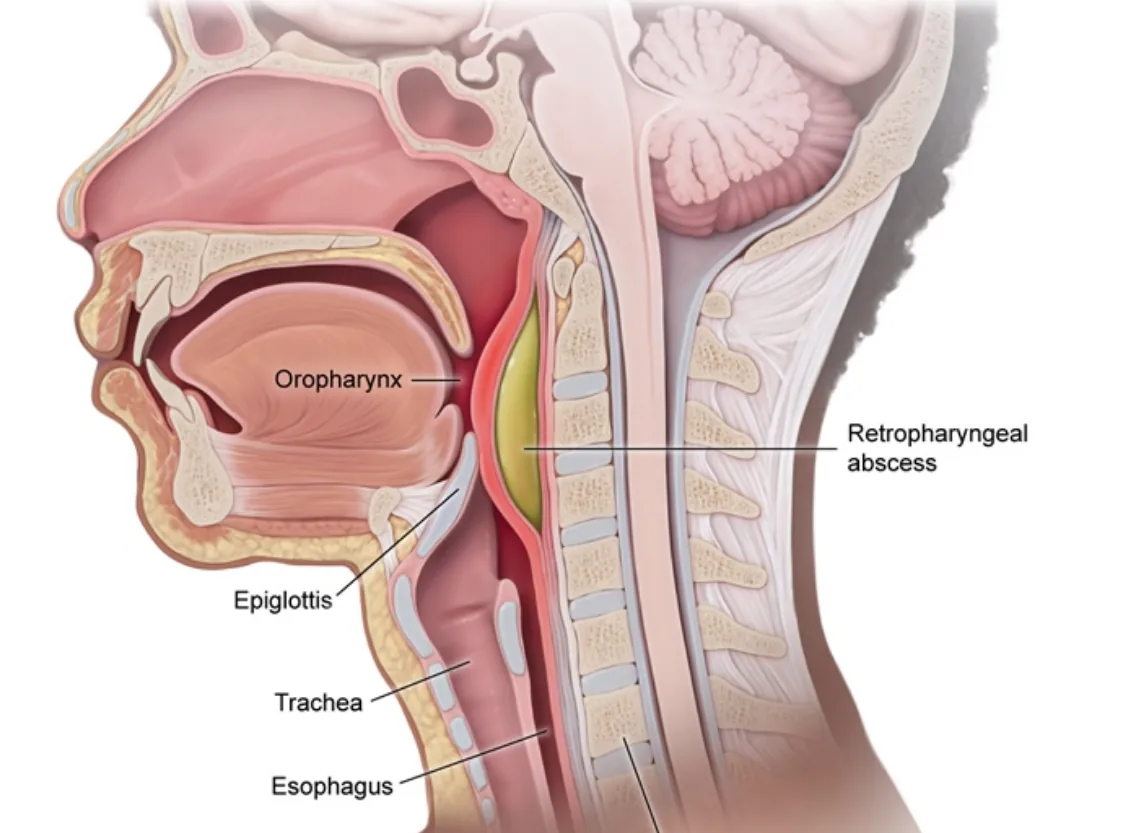
- Peritonsillar abscess (quinsy) - a pus collection between the tonsil and the pharyngeal wall; especially when recurrent or occurring in a patient already meeting infection criteria
- Tonsillar hypertrophy causing obstructive sleep apnoea (OSA) in children (the most common surgical cause of childhood OSA)
- Significant snoring with sleep disruption from enlarged tonsils
- Difficulty swallowing large food pieces due to tonsil size
- Asymmetric tonsillar enlargement in adults (where biopsy or excision is needed to exclude lymphoma or tonsillar malignancy)
The procedure
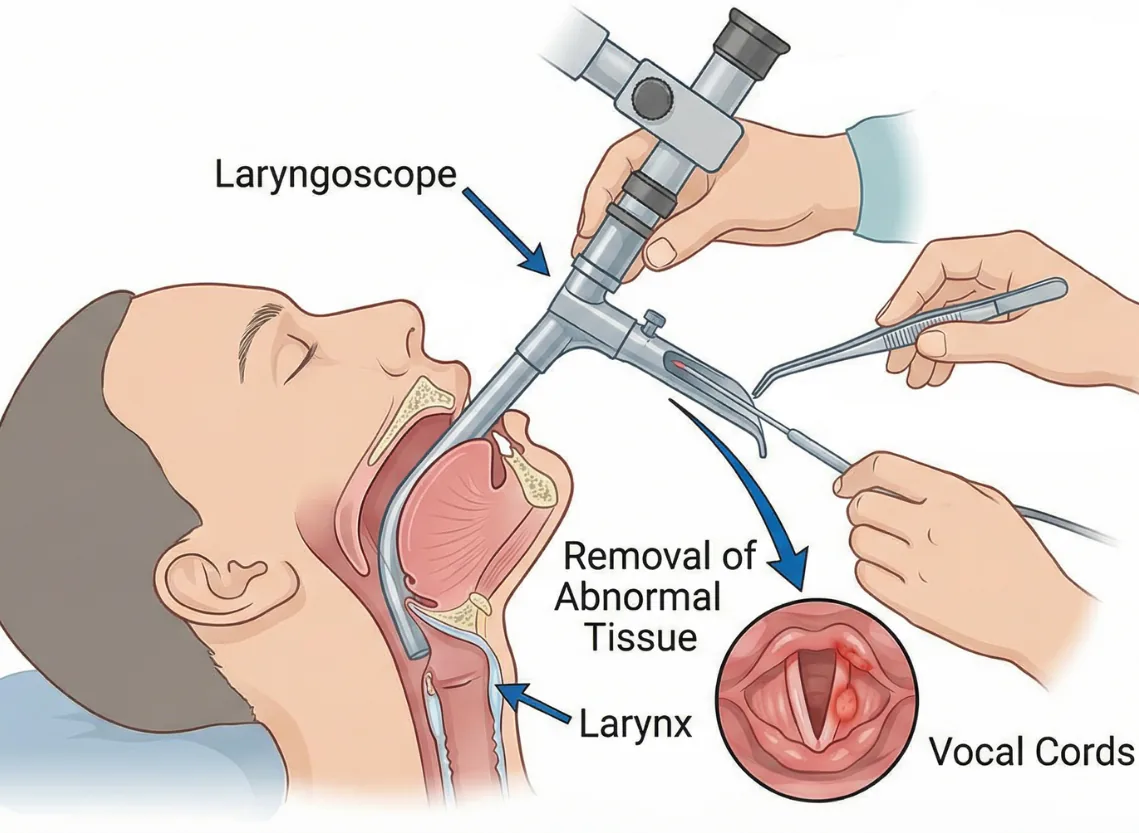
Tonsillectomy is performed under general anaesthesia. The patient is positioned with the neck extended, and a mouth gag (Boyle-Davis or Dingman) holds the mouth open. The tonsil is grasped with forceps and dissected from its fossa (the surrounding tissue) using a combination of sharp dissection and electrocautery (diathermy) or coblation (radiofrequency energy). Haemostasis is achieved with bipolar diathermy. The procedure takes approximately 20-30 minutes.
Coblation tonsillectomy uses radiofrequency energy at lower temperatures than conventional diathermy - this is associated with less thermal damage to surrounding tissues and, in many studies, less post-operative pain compared to conventional techniques.
Recovery
Hospital stay: 1 day (occasionally 1 night for young children or those with sleep apnoea). Post-operative throat pain is the primary concern - it peaks at days 5-7 in adults (when the white post-operative slough in the tonsil fossa begins to separate) and is more pronounced in adults than children. Pain management includes regular paracetamol and, where appropriate, anti-inflammatory medication. Post-operative diet begins with cold, soft foods (ice cream, yoghurt, smoothies, cooled soup) and progresses to normal diet over 10-14 days. A small but serious risk (approximately 1-3%) is post-operative bleeding (secondary haemorrhage), typically occurring on days 5-10 - patients are advised to return immediately to hospital if significant bleeding from the throat occurs. Full recovery and return to normal activities: 2-3 weeks for children, 3-4 weeks for adults.