.webp)
01
Acid Reflux - GERD (Gastroesophageal Reflux Disease)
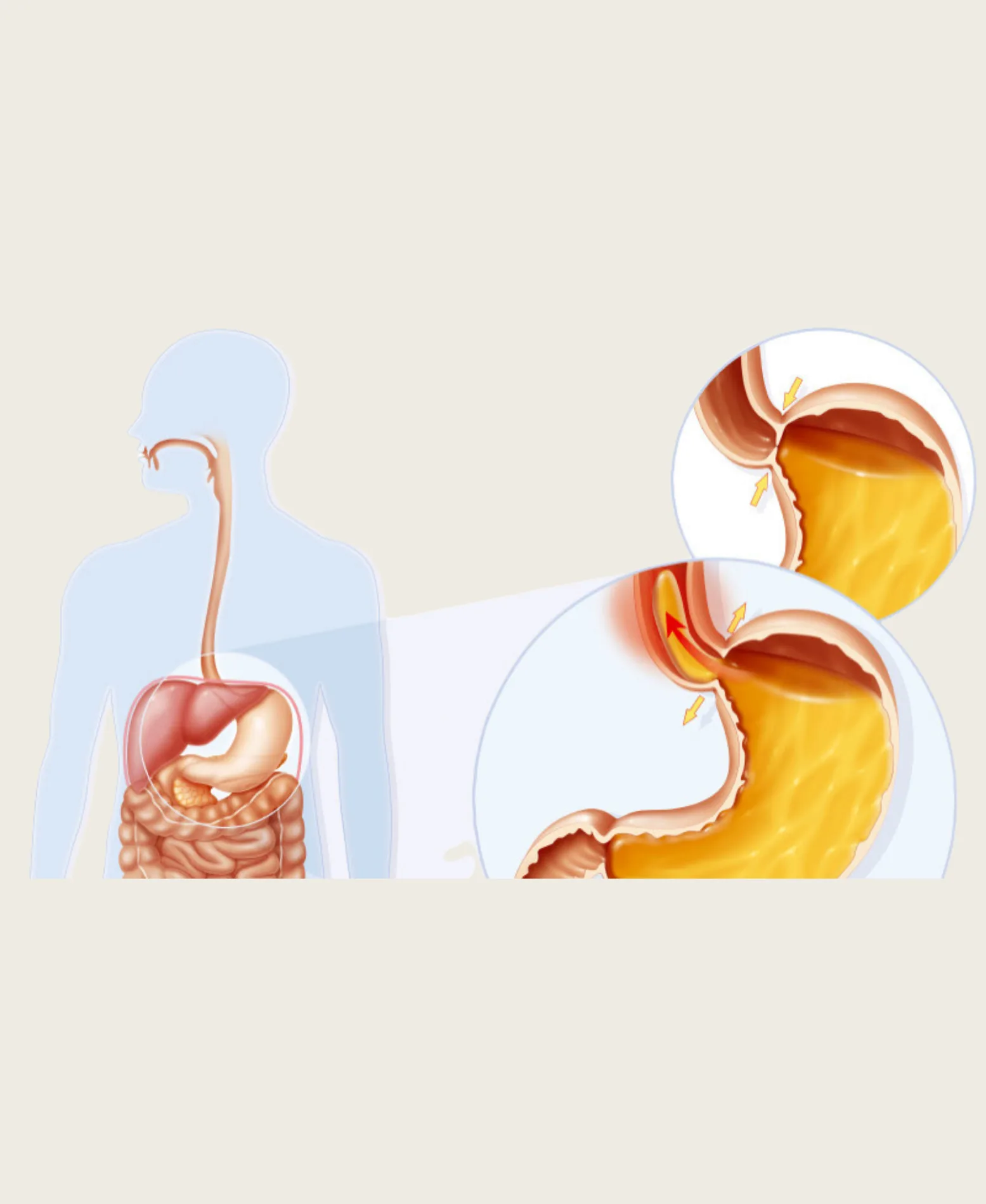
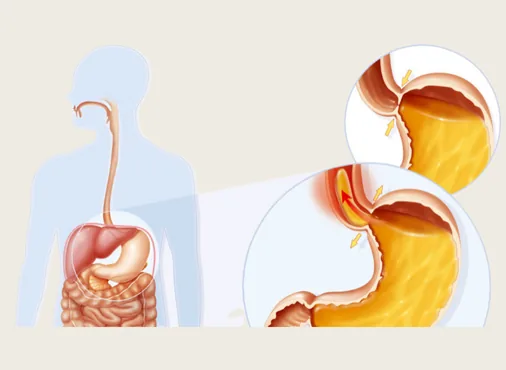
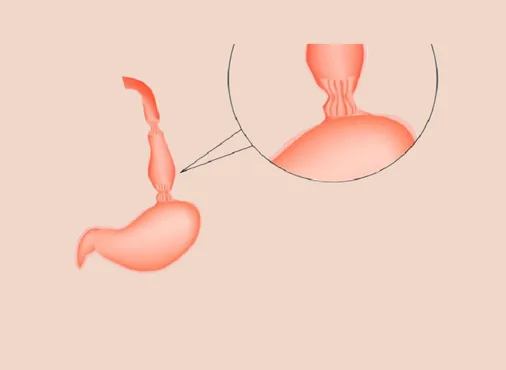
GERD is the chronic backflow of stomach acid and digestive contents into the oesophagus - the tube connecting the throat to the stomach. The lower oesophageal sphincter (LOS) - a ring of muscle at the junction of the oesophagus and stomach - normally acts as a one-way valve, preventing reflux. When this sphincter becomes weak, relaxed, or incompetent, acid refluxes upward, causing the characteristic burning discomfort known as heartburn.
GERD is one of the most prevalent conditions seen by gastroenterologists and GI surgeons across Gandhinagar and Ahmedabad - fuelled by changing dietary habits (high fat, spicy foods, irregular meal times), obesity, sedentary lifestyles, and stress.
Symptoms:
- Heartburn: a burning sensation rising from the chest to the throat, typically worse after meals, when lying down, or when bending forward
- Regurgitation: an effortless return of sour or bitter fluid into the mouth
- Chest pain (non-cardiac) - can mimic cardiac pain and requires exclusion of cardiac cause first
- Chronic cough - particularly nocturnal, caused by aspiration of refluxed material into the airway
- Hoarseness and throat clearing - from laryngopharyngeal reflux (LPR), where acid reaches the voice box
- Dysphagia (difficulty swallowing) - from oesophageal stricture, a complication of chronic untreated reflux
Complications of untreated GERD:
- Oesophagitis: Inflammation and erosion of the oesophageal lining
- Peptic stricture: Narrowing of the oesophagus from scarring of healed erosions
- Barrett's oesophagus: Replacement of the normal squamous oesophageal lining with metaplastic columnar epithelium - a precancerous change significantly increasing the risk of oesophageal adenocarcinoma
- Oesophageal adenocarcinoma: The most serious long-term complication of chronic GERD
Medical management: Proton pump inhibitors (PPIs - omeprazole, pantoprazole, rabeprazole) are the mainstay of medical treatment. Lifestyle modifications - weight loss, elevating the head of the bed, avoiding late meals, reducing spicy/fatty foods and caffeine, quitting smoking - are equally important.
Surgical treatment - Laparoscopic Fundoplication:
Surgery is indicated when: symptoms are severe and not adequately controlled by PPIs, the patient wishes to avoid lifelong medication (particularly younger patients), there are documented complications of GERD (Barrett's oesophagus, stricture), or large-volume reflux causes aspiration and respiratory complications. Laparoscopic Nissen fundoplication - in which the upper portion of the stomach (the gastric fundus) is wrapped 360 degrees around the lower oesophagus and sutured in place - restores the LOS mechanism and provides a highly effective, durable anti-reflux barrier. Over 90% of patients are symptom-free or significantly improved at 10 years after surgery. Dr. Patel performs laparoscopic fundoplication at Niraaya Hospital, Gandhinagar.