01
Colon and Rectal Cancer (Colorectal Cancer - CRC)
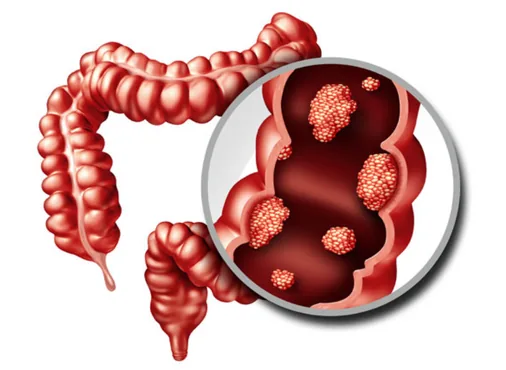
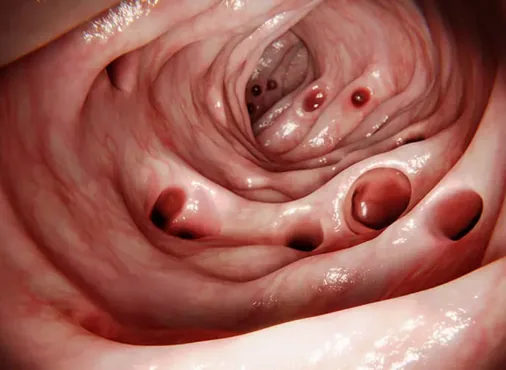
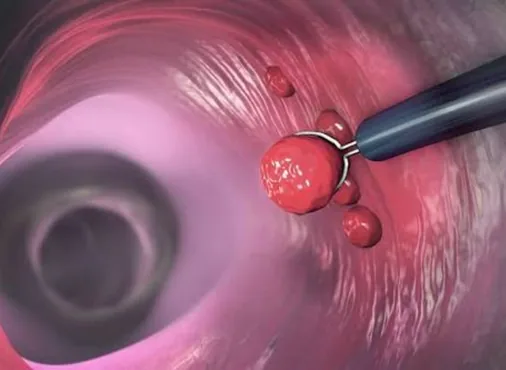
Colorectal cancer (CRC) is the third most common cancer globally and is rising significantly in India's urban population - driven by a Western-style diet (high in red meat, processed foods, and refined carbohydrates; low in dietary fibre), sedentary lifestyle, obesity, smoking, alcohol, and family history. The majority of colorectal cancers arise from colorectal adenomatous polyps - benign growths that can undergo malignant transformation over 10-15 years (the adenoma-carcinoma sequence), making colonoscopic polyp surveillance a powerful cancer prevention tool.
Symptoms - warning signs you must not ignore:
- A persistent change in bowel habit - diarrhoea, constipation, or alternating diarrhoea and constipation - lasting more than 3 weeks
- Rectal bleeding or blood mixed into the stool (haematochezia)
- Dark, tarry stools (melaena) - typically from right-sided colon cancers causing occult bleeding
- A feeling of incomplete evacuation after passing stool (tenesmus) - particularly in rectal cancer
- Unexplained iron-deficiency anaemia (fatigue, pallor, breathlessness)
- Unexplained significant weight loss
- A palpable abdominal mass
- Symptoms of intestinal obstruction (abdominal distension, colicky pain, inability to pass stools or gas)
Important: Blood in the stool is NOT always from piles (haemorrhoids). In patients over 40, rectal bleeding must be investigated with colonoscopy to exclude colorectal cancer - even if piles are also present. Niraaya Hospital offers colonoscopy performed by Dr. Neel Patel.
Staging and investigation:
- Colonoscopy with biopsy - tissue diagnosis and identification of the tumour location
- CT chest, abdomen, and pelvis - staging (identifying lymph node involvement and distant metastases, particularly in the liver and lungs)
- MRI rectum (high-resolution, dedicated) - essential for rectal cancer staging (determines relationship of tumour to the mesorectal fascia, predicting circumferential resection margin status, and guiding neoadjuvant therapy decisions)
- CEA (carcinoembryonic antigen) - tumour marker; not diagnostic but used for monitoring after treatment
Surgical treatment:
Surgery is the cornerstone of curative colorectal cancer treatment. The extent of resection depends on tumour location:
- Right hemicolectomy: For cancers of the caecum, ascending colon, and hepatic flexure - removal of the right colon with primary ileocolic anastomosis
- Left hemicolectomy / Sigmoid colectomy: For left colon and sigmoid cancers
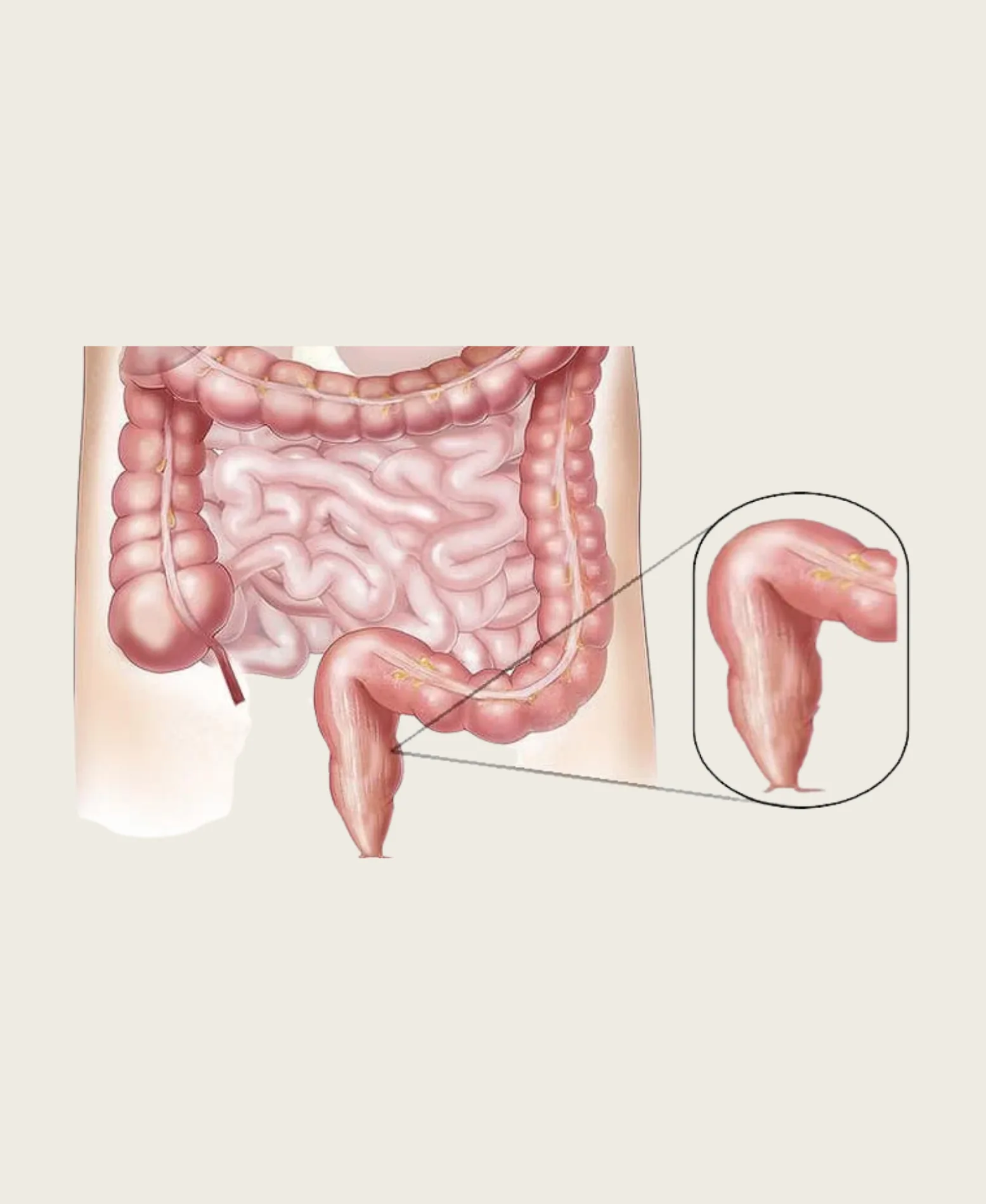
- Anterior resection (Low Anterior Resection - LAR): For upper and middle rectal cancers - the rectum is resected and bowel continuity restored with a colorectal anastomosis. A temporary defunctioning loop ileostomy is often created to protect the anastomosis, reversed at 6-8 weeks
- Abdominoperineal Resection (APR): For very low rectal cancers (within 1-2 cm of the sphincter) where sphincter preservation is not oncologically safe - the rectum, anus, and sphincter muscles are all removed, and a permanent colostomy is fashioned
All colectomy procedures are performed laparoscopically at Niraaya Hospital by Dr. Neel Patel - achieving equivalent oncological outcomes to open surgery with significantly less post-operative pain, faster recovery (return of bowel function 1-2 days earlier), and shorter hospital stay (3-4 days vs 5-7 days for open surgery). Complete Mesocolic Excision (CME) - the precise laparoscopic removal of the colon along its embryological tissue planes with central vessel ligation - is the oncological standard employed by Dr. Patel, maximising lymph node harvest and reducing local recurrence.