
01
Septoplasty - Deviated Nasal Septum Correction
What is septoplasty?
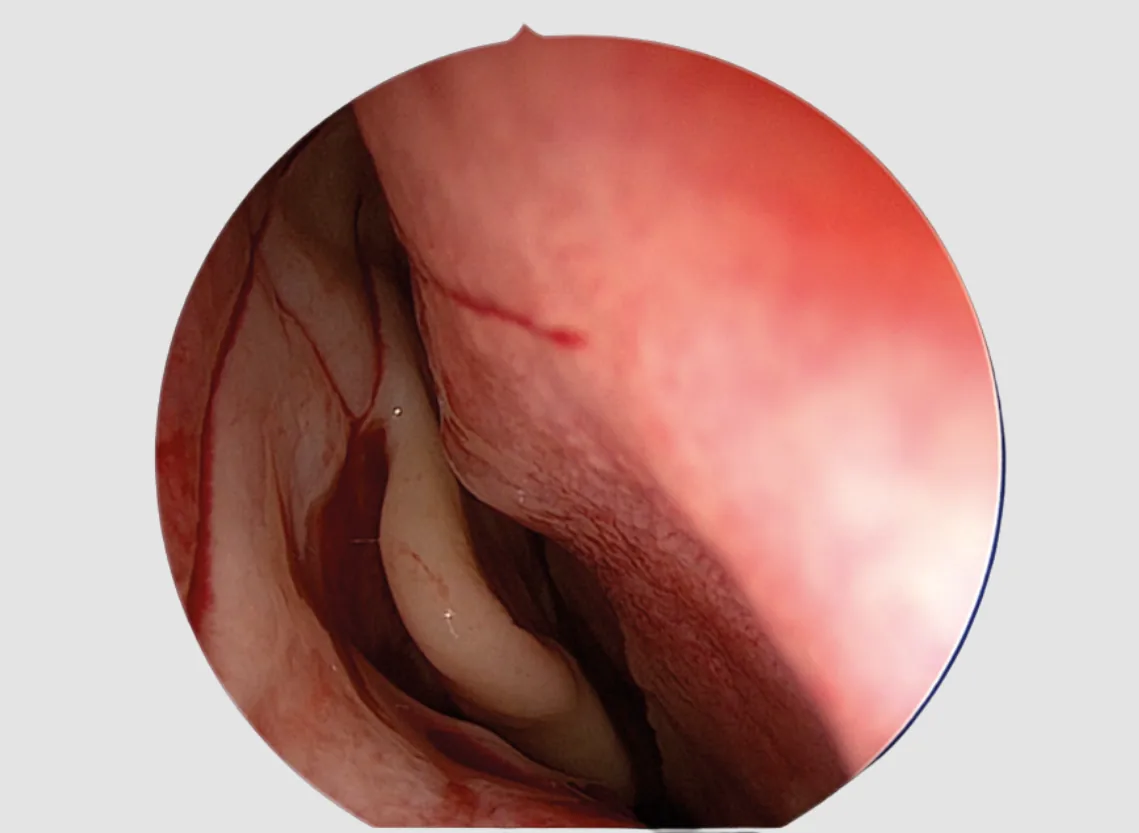
Septoplasty is the surgical correction of a deviated nasal septum - the internal wall of bone and cartilage dividing the nose into left and right halves. When this wall leans significantly to one side, it narrows the nasal airway, causing chronic nasal obstruction, mouth breathing, sleep disruption and snoring, headaches, and repeated sinusitis due to poor sinus drainage. The deviation can be congenital (present from birth), or result from a nose injury at any point in life.
Who needs septoplasty?
Septoplasty is recommended when a deviated septum causes significant symptoms that do not improve adequately with medical treatment (nasal steroid sprays, decongestants). Symptoms include significant nasal obstruction affecting sleep or daytime function, recurrent sinusitis, snoring or sleep-disordered breathing from nasal obstruction, or persistent headaches from septal spurs pressing against the lateral nasal wall. A nasal endoscopy and CT scan of the sinuses provide a clear picture of the deviation and any associated sinus disease, guiding surgical planning.
What happens during surgery?
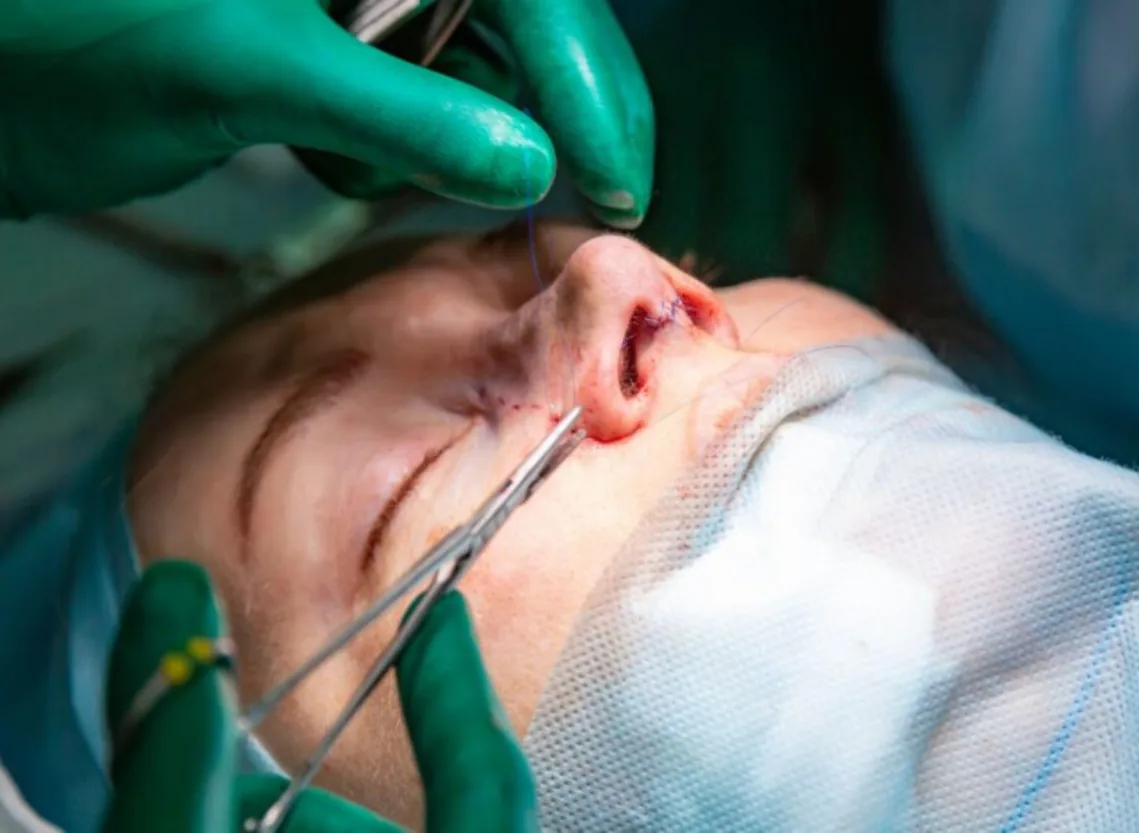
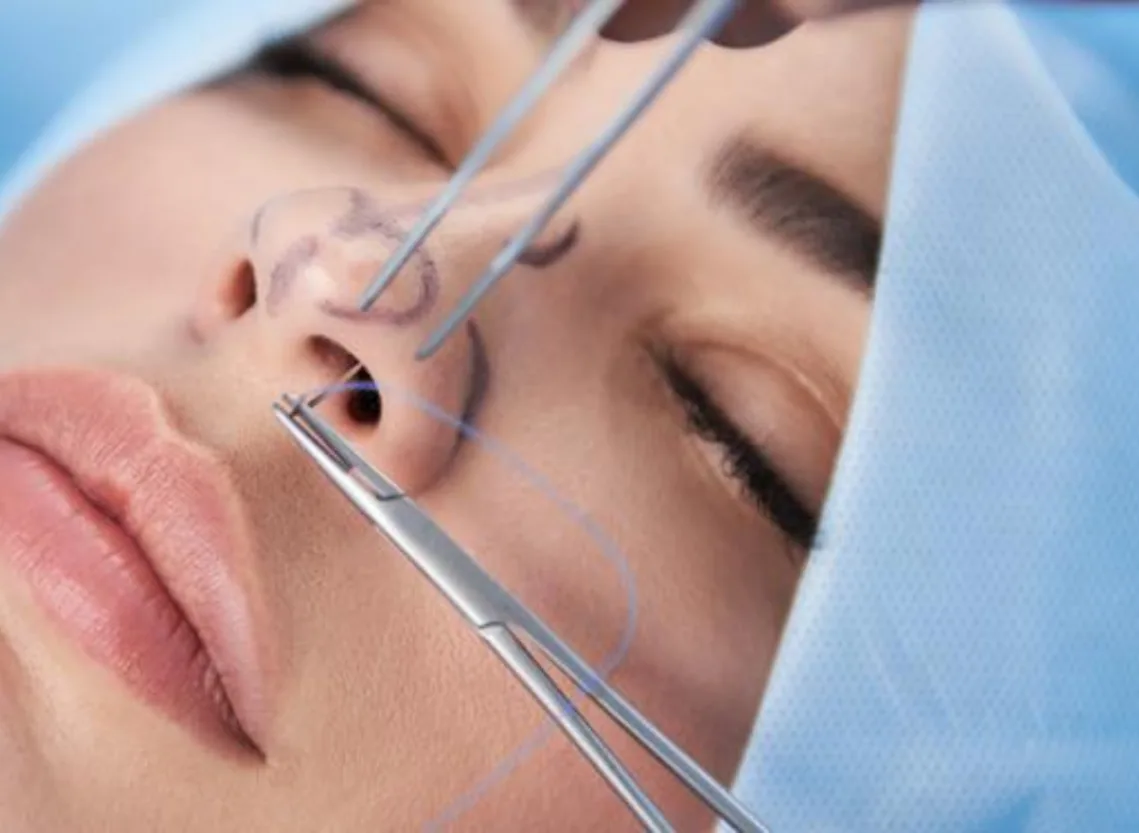
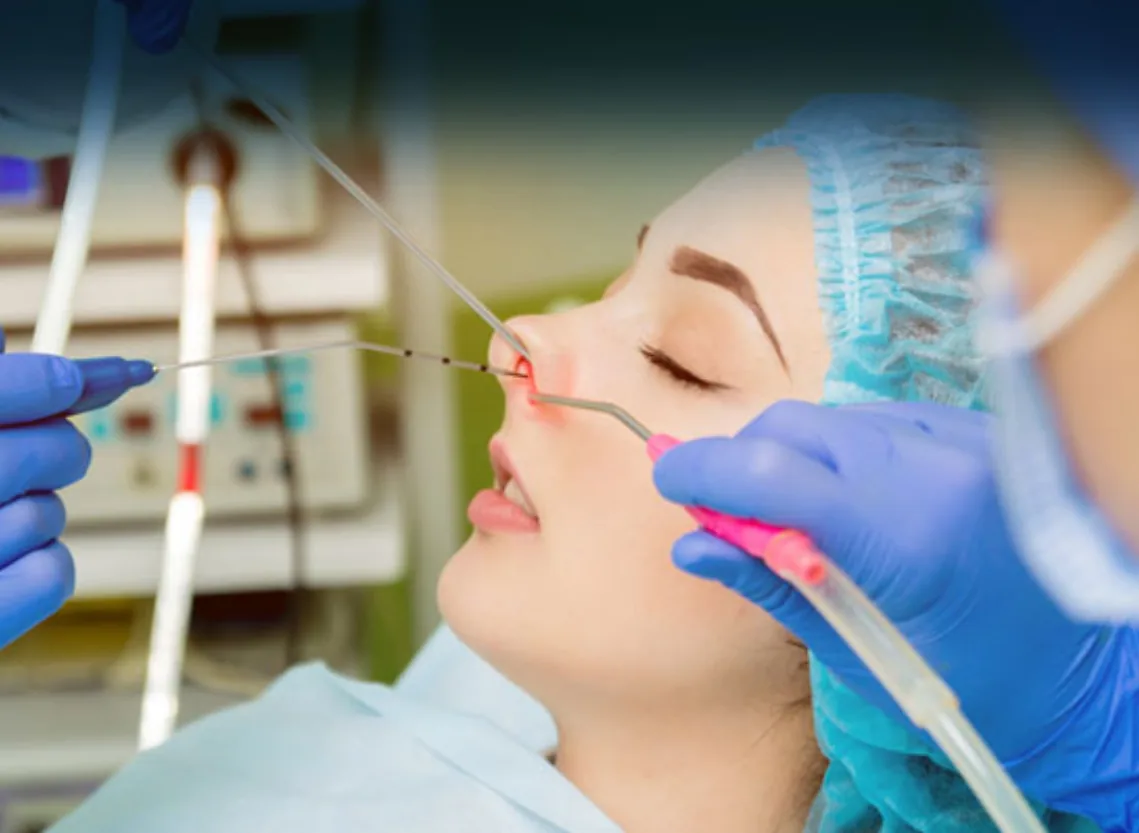
Septoplasty is performed entirely through the nostril - with no external cuts, no nasal bone fracture, no change to the external shape of the nose, and no visible scars. Under general anaesthesia, the surgeon makes an incision inside the nose, elevates the mucoperichondrial and mucoperisteal flaps away from the underlying cartilage and bone, removes or repositions the deviated portions, and repositions the mucosal flaps. Nasal splints (small plastic supports inside the nose) may be placed for 1 week to support the septum while it heals in the correct position. Septoplasty is frequently combined with turbinate reduction (if the turbinates are also contributing to obstruction) to maximise the improvement in nasal airflow.
Recovery
Hospital stay: 1 day (day care or overnight). Nasal packing, if used, is removed at 24-48 hours. Mild nasal congestion, some blood-stained discharge, and mild discomfort during the first 1-2 weeks - similar to a heavy cold. No blowing the nose for 2 weeks. Most patients return to desk work in 5-7 days. Full nasal breathing and complete healing at 4-6 weeks. The nose does not change shape.