




01
Ear Discharge (Otorrhoea)
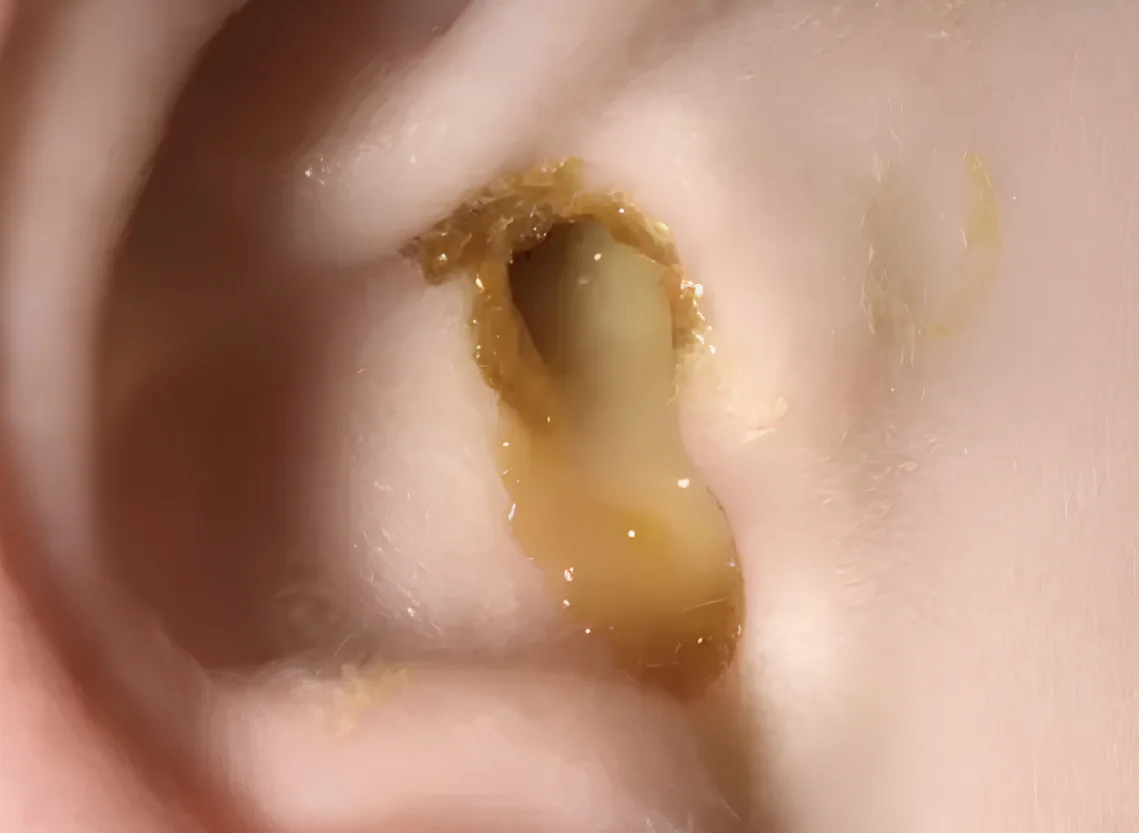
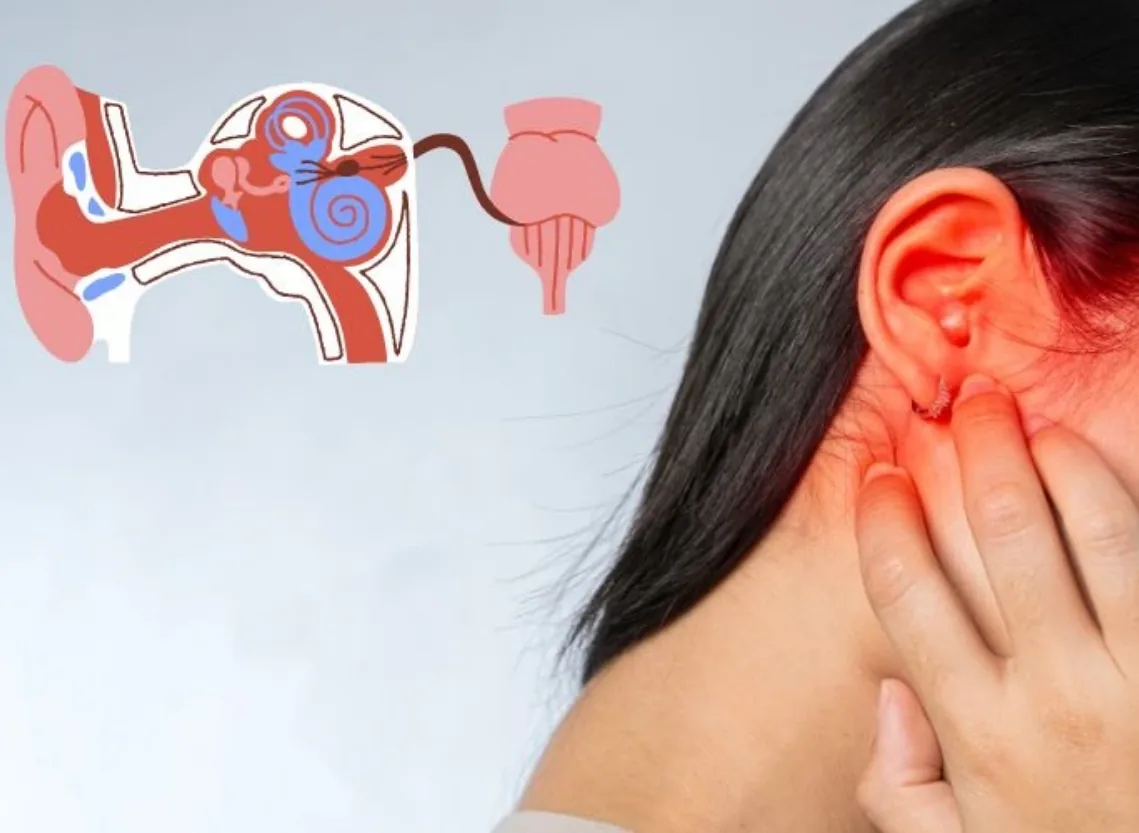
Fluid or discharge coming from the ear is always abnormal and should never be ignored. Depending on the colour, consistency, and smell, ear discharge can indicate different underlying conditions.
Watery or mucoid discharge often points to a middle ear infection (otitis media) with a perforated eardrum. Thick, yellowish, or foul-smelling discharge suggests bacterial infection or, in chronic cases, cholesteatoma - an abnormal skin growth in the middle ear that silently erodes surrounding bone and can lead to serious complications including facial nerve damage, meningitis, or brain abscess if left untreated. Blood-stained discharge following an injury may indicate a traumatic eardrum perforation.
At Niraaya Hospital, Gandhinagar, ear discharge is evaluated with otoscopy or video-otoscopy, ear swab culture, and when warranted, a High-Resolution CT (HRCT) of the temporal bone. Treatment is tailored to the cause - from targeted antibiotic ear drops and aural toileting for acute infections, to surgical intervention (tympanoplasty or mastoidectomy) for chronic or complicated disease.
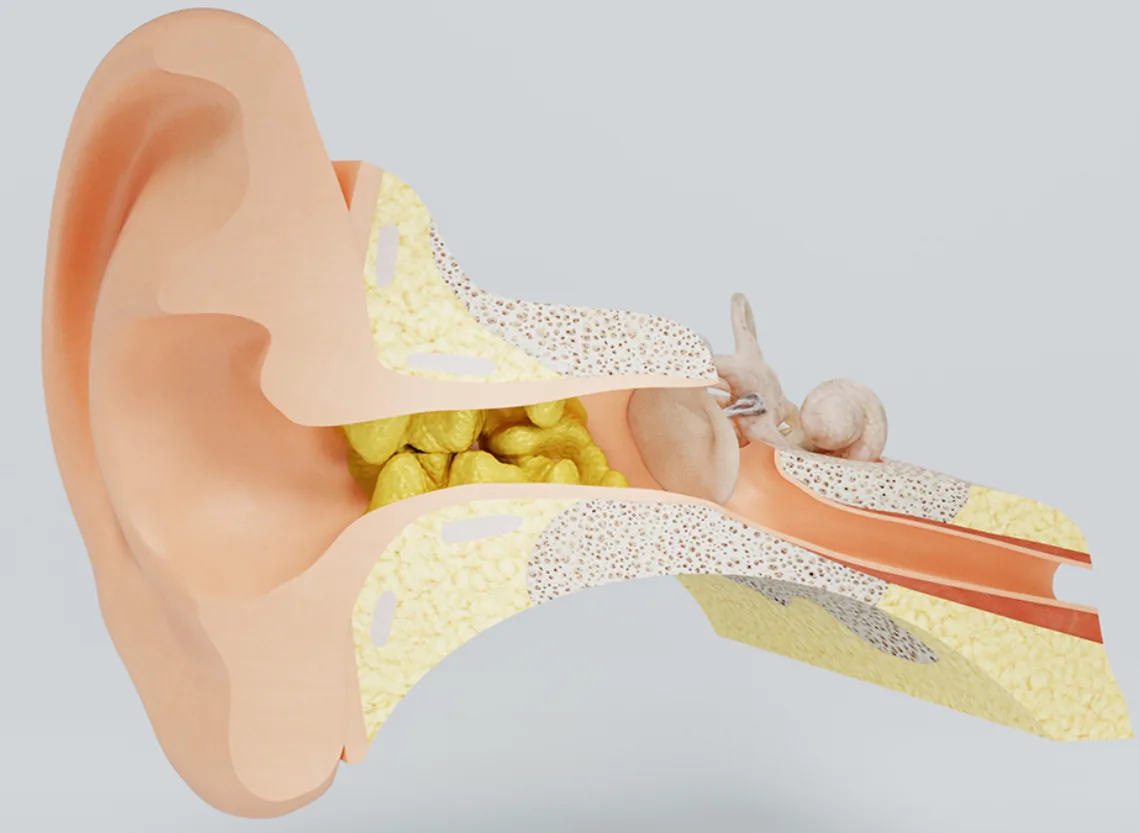
A critical reminder: never insert cotton buds, hairpins, or any object into the ear. These push infection deeper, risk traumatic eardrum perforation, and do more harm than good.