01
Inguinal Hernia
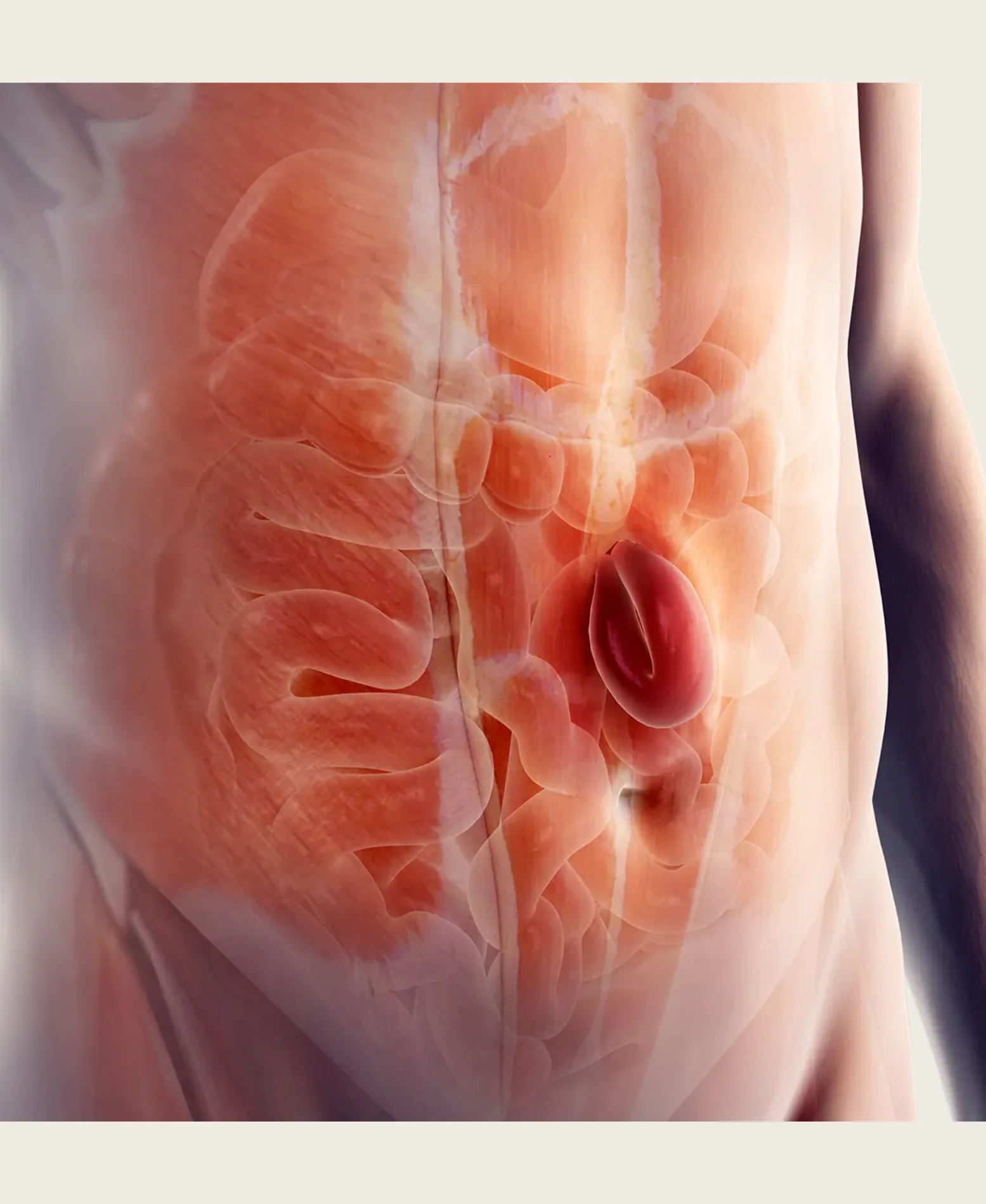
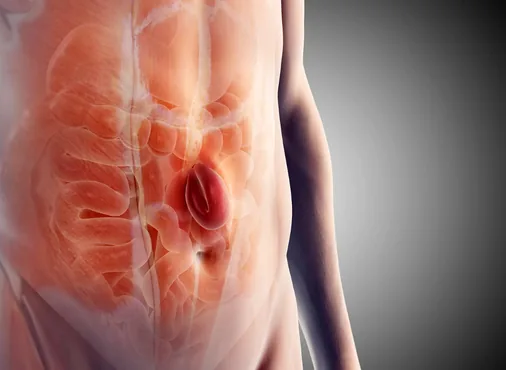
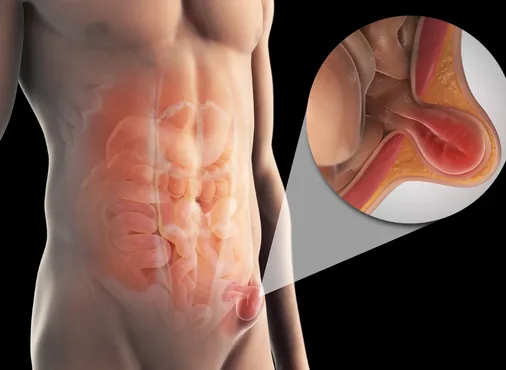
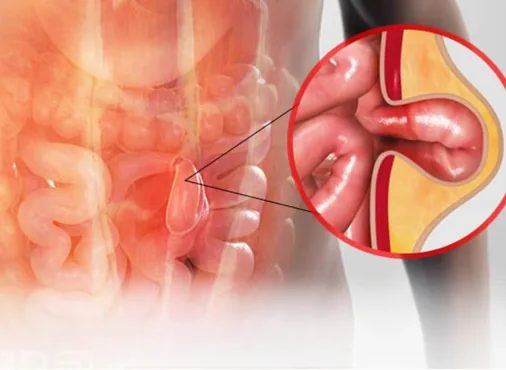
The inguinal hernia is the most common hernia worldwide, accounting for approximately 75% of all abdominal wall hernias. It occurs in the groin - specifically through the inguinal canal, a natural passage in the lower abdominal wall through which the spermatic cord (in men) or round ligament (in women) passes. Inguinal hernias are far more common in men due to the anatomical legacy of testicular descent during fetal development, which leaves a relative weakness in the inguinal region.
Direct inguinal hernia: Pushes directly through a weak point in the posterior inguinal canal floor - caused by weakening of the transversalis fascia with age, straining, or obesity. More common in older men.
Indirect inguinal hernia: Follows the natural path of the spermatic cord through the internal inguinal ring and down the inguinal canal - the result of a persistent processus vaginalis (a congenital weakness). More common in younger men and children.
Symptoms include a visible bulge in the groin or upper scrotum - often more obvious when standing, coughing, or straining - and an aching or dragging discomfort, particularly at the end of the day or after prolonged physical activity. A sudden, severe, constant pain in a previously comfortable hernia may indicate strangulation - an emergency requiring immediate surgery.
Treatment Approach
Surgical repair: Laparoscopic inguinal hernia repair - either TAPP (Trans-Abdominal Pre-Peritoneal) or TEP (Total Extra-Peritoneal) - is the preferred technique at Niraaya Hospital. A polypropylene mesh is placed behind the defect, reinforcing the weak area from within. Laparoscopic repair offers less post-operative pain, faster recovery, lower recurrence rates compared to open repair, and the unique ability to simultaneously assess and repair both groins through the same incisions - important since bilateral inguinal hernias are common.