 & Acute Cholecystitis.webp)
.webp)
01
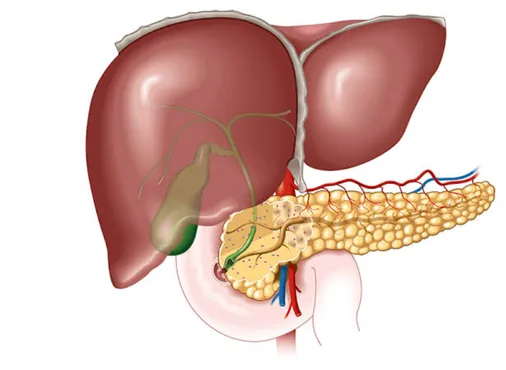
Gallstones (Cholelithiasis) and Acute Cholecystitis
Gallstones (Cholelithiasis):
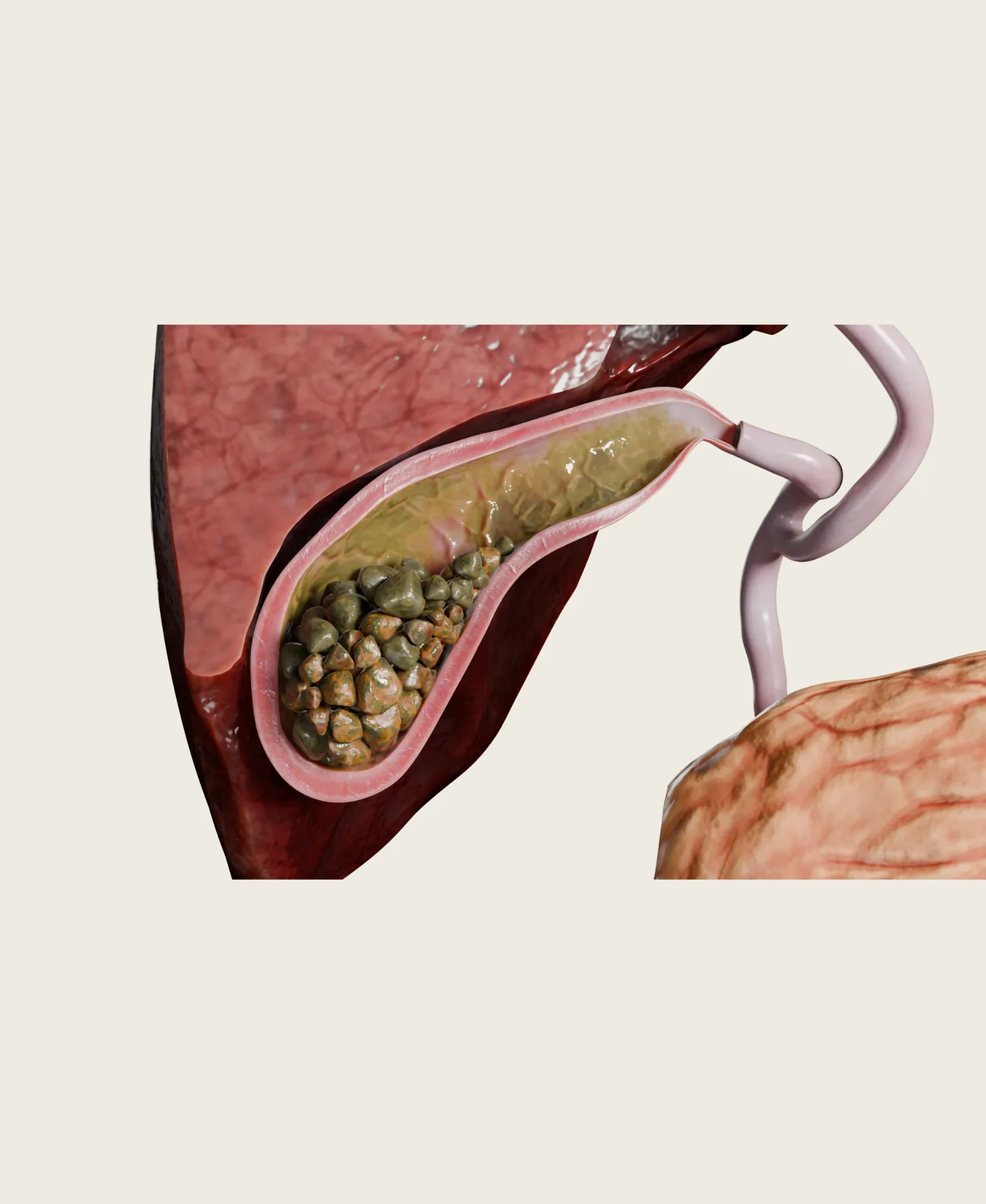
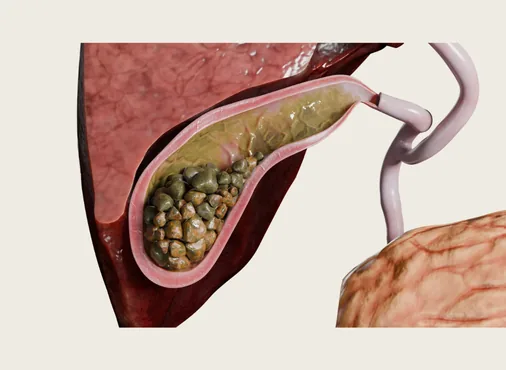
Gallstones are solid concretions that form within the gallbladder from precipitation of bile components. They are extremely common in India - particularly in women, overweight individuals, those over 40, and people who eat a high-fat, low-fibre diet (the "4F" rule: Female, Fat, Forty, Fertile).
Gallstones can be of three types:
- Cholesterol stones (most common, 80%): yellowish, formed from excess cholesterol in bile
- Pigment stones (black or brown): formed from excess bilirubin - black stones from haemolytic conditions, brown stones from biliary infections
- Mixed stones: a combination
Approximately 80% of gallstones are "silent" - discovered incidentally on ultrasound for another reason, without causing symptoms. The decision to operate on silent gallstones depends on patient age, stone size, and risk factors for gallbladder cancer (large stones above 3 cm, porcelain gallbladder, gallbladder polyps coexisting with stones).
Symptomatic gallstones cause biliary colic - intermittent episodes of severe right upper quadrant or epigastric pain (often described as a cramping or colicky pain, typically lasting 30 minutes to several hours), frequently triggered by fatty meals, and sometimes radiating to the right shoulder or back. Nausea and vomiting accompany the pain. Biliary colic that resolves between episodes indicates an uncomplicated stone; surgical removal of the gallbladder (laparoscopic cholecystectomy) is the definitive treatment.
Acute Cholecystitis:
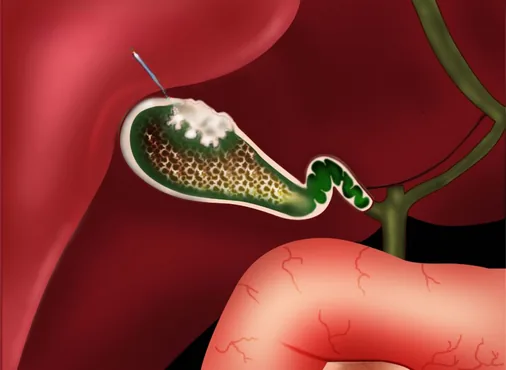
When a gallstone becomes impacted in the cystic duct - the tube connecting the gallbladder to the main bile duct - it blocks gallbladder drainage, causing distension, inflammation, and infection of the gallbladder wall. Acute cholecystitis presents with:
- Severe, constant (not colicky) right upper quadrant pain persisting beyond 6 hours
- Fever, chills
- Nausea and vomiting
- Tenderness in the right upper abdomen - Murphy's sign positive (pain on deep palpation under the right costal margin during inspiration)
Ultrasound confirms the diagnosis. Management includes inpatient admission, IV antibiotics, IV fluids, analgesia, and laparoscopic cholecystectomy - ideally within 72 hours of symptom onset (early cholecystectomy), which reduces the risk of further complications (perforation, empyema, pericholecystic abscess) and is proven to have superior outcomes compared to delayed interval cholecystectomy.