What a hernia really is
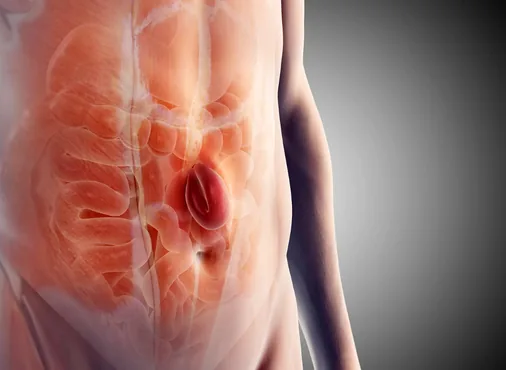
A hernia happens when tissue pushes through a weak spot in the abdominal wall or groin. You may notice a bulge that appears while standing, coughing, or lifting, and often softens when you lie down.
Common types we treat at Niraaya include inguinal, umbilical, incisional, epigastric, femoral, and complex abdominal-wall hernias.
Signs you should not ignore
- A new or growing bulge in the groin or abdomen
- Pain or heaviness after standing or exercise
- Discomfort that returns with cough or strain
- Sudden severe pain, redness, vomiting, or a bulge that will not reduce
Sudden severe symptoms need urgent medical care. A trapped hernia can cut off blood supply and become a surgical emergency.
When observation is not enough
Small, painless hernias are sometimes watched carefully. Surgery is usually advised when the hernia is painful, enlarging, limiting daily activity, or at higher risk of complication.
Why early repair helps
Waiting too long can make repair more complex. Mesh reinforcement and minimally invasive approaches work best when planned electively, before emergency incarceration.
Laparoscopic and robotic hernia repair
At Niraaya Hospital, Dr Neel Patel offers laparoscopic and robotic hernia repair for suitable patients. These approaches typically mean smaller incisions, less post-operative pain, and a quicker return to routine activity than traditional open surgery in many cases.
- Precise repair of the weak area
- Mesh support where clinically indicated
- Day-care or short-stay recovery for many elective repairs
FAQs
Can a hernia heal without surgery?
A true hernia does not close on its own. Supportive care can reduce discomfort temporarily, but definitive repair is surgical when indicated.
Is robotic hernia surgery available in Gandhinagar?
Yes. Selected hernia repairs at Niraaya Hospital can be planned with a robotic or laparoscopic approach after clinical assessment by Dr Neel Patel.